R&D Work
Practical prototypes, fabrication experiments, product explorations, and technical workflows developed through DaveRig Design.
This is where rough ideas, technical problems, and tool experiments get turned into something testable, explainable, and useful.
Prototype Development
Physical prototypes and early-stage builds that turn rough ideas into something tangible. These projects use CAD, 3D printing, scanning, materials, and hands-on testing to prove ideas, solve practical problems, and move concepts closer to reality.
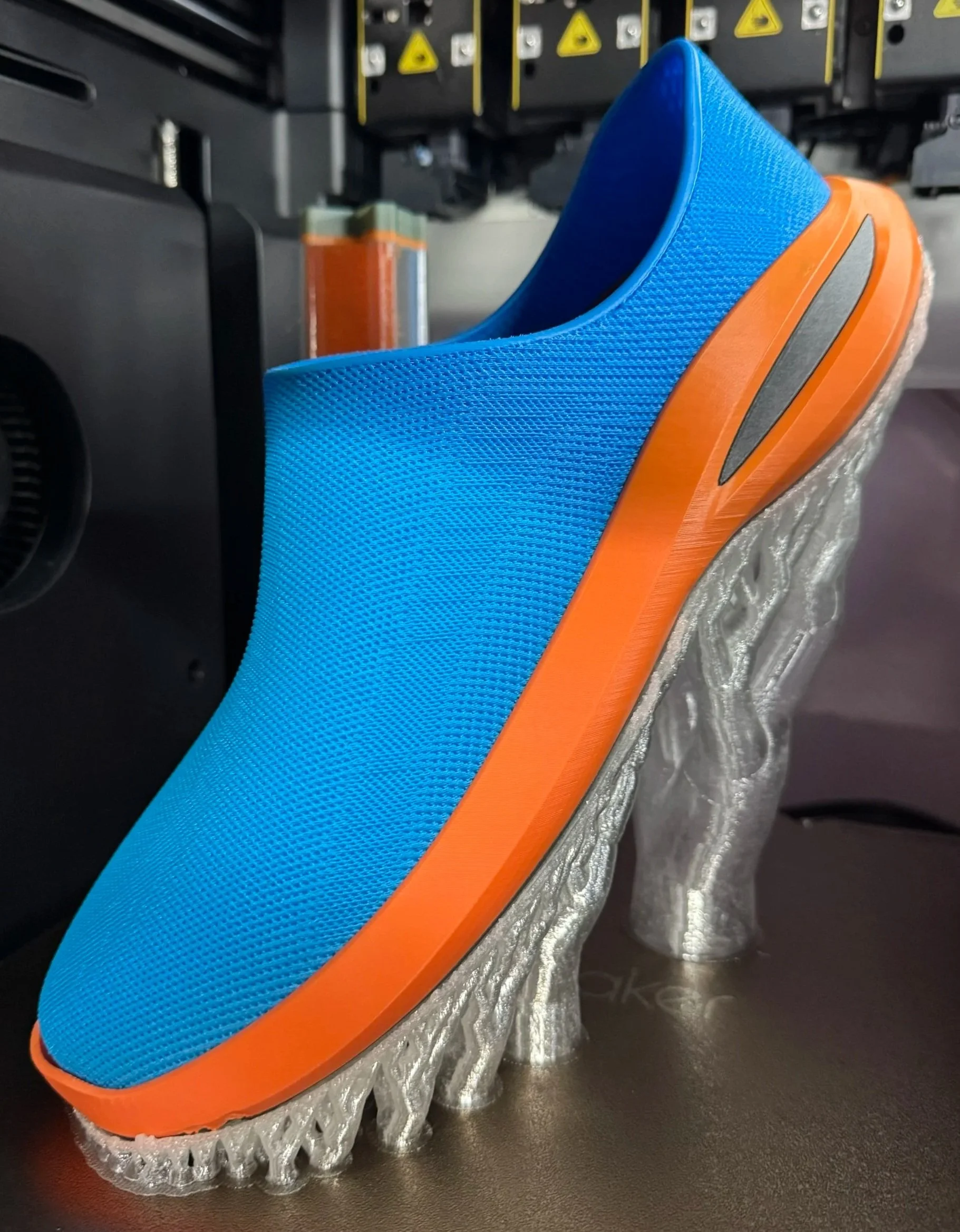
Multi-material footwear prototype
This project explores multi-material 3D printing as a practical prototyping workflow for footwear. The goal was to combine flexible materials, multiple textures, and a multi-toolhead 3D printer to create a shoe concept that more closely resembled a normal everyday product. The result was an example of how new tool-changing 3D printers, strategic design choices, and unique materials can make it possible to print functional footwear prototypes at home.
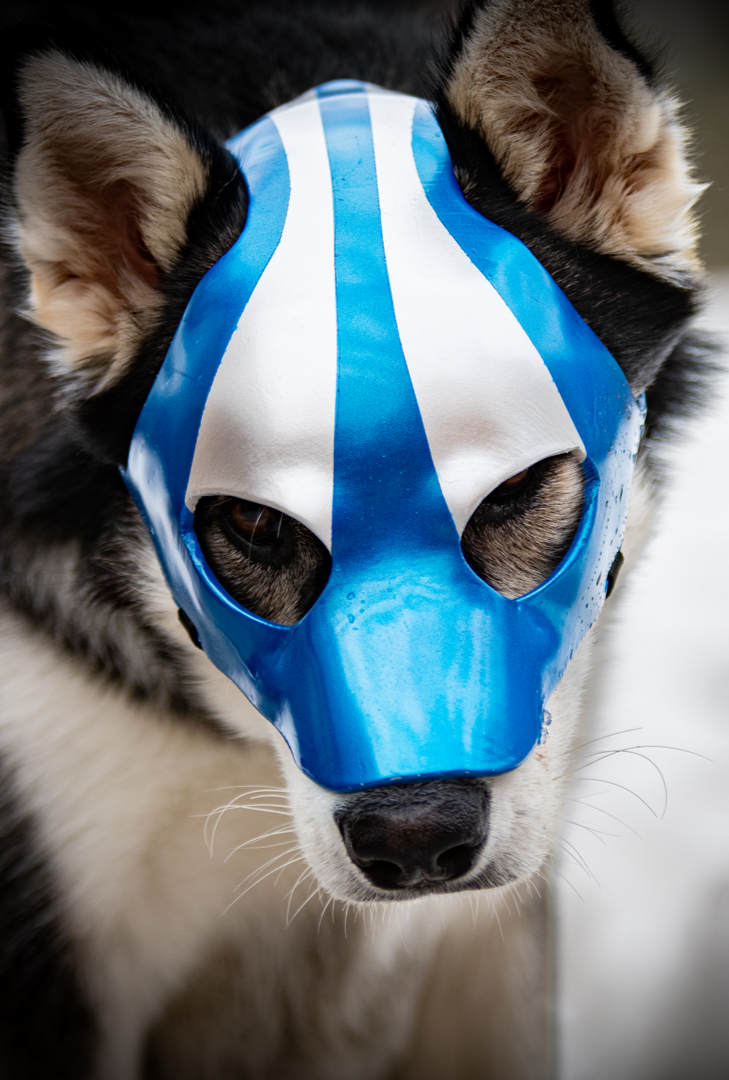
3D scanning to wearable prototype
This project explores 3D scanning and custom-fit printing as a workflow for creating wearable prototypes. The process started with a scan of my dog’s head to capture the real shape and proportions, then used that reference to design and print a helmet that could fit around an organic, non-standard form. The result was a practical test of scanning, CAD, and 3D printing as a way to turn a unique physical subject into something measurable, printable, and easier to refine.
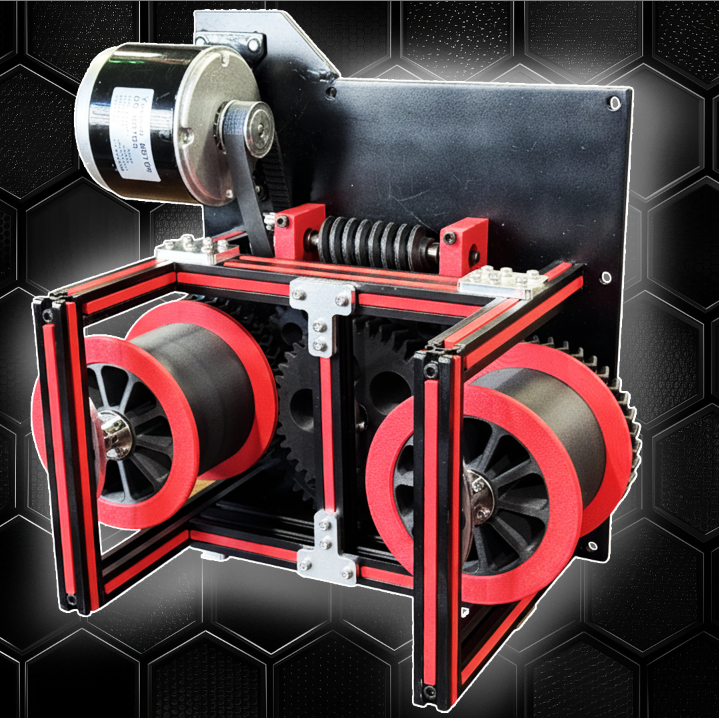
Designed & 3D printed mechanical winch
This project explores mechanical prototyping through a designed and 3D printed winch system. The build turned a real lifting problem into a functional mechanism using CAD, printed gears, pulleys, structural parts, and hands-on testing. The main question was whether a 3D printed drivetrain could withstand the forces involved under load, making it a practical test of printed mechanical parts, material choice, and iterative design.
Fabrication Workflows
Fabrication workflows focused on turning ideas, objects, and digital designs into usable physical results. These projects explore AI model generation, photogrammetry, laser cutting, print preparation, and the practical steps needed to move between digital tools and real-world fabrication.
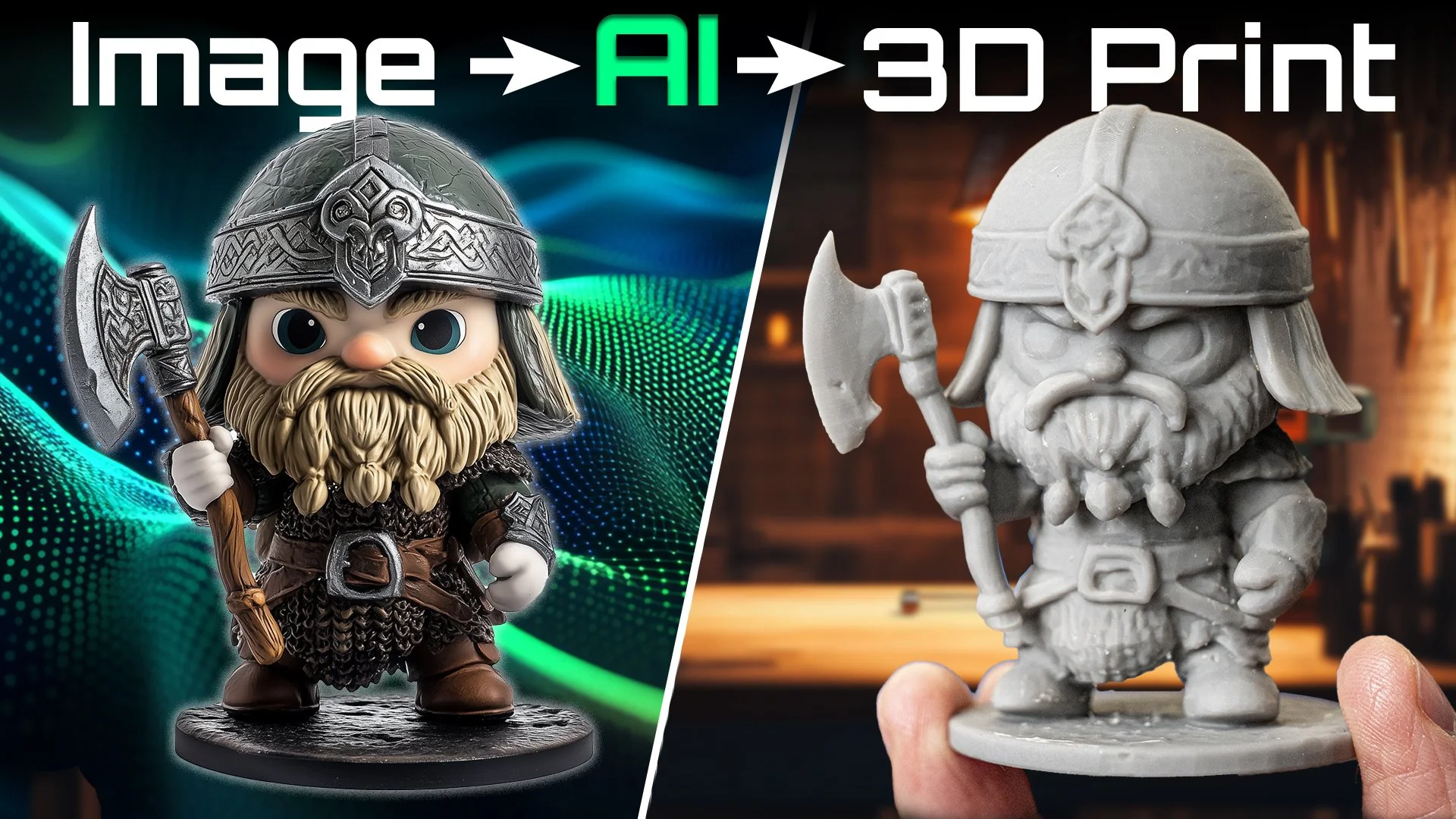
AI-assisted model generation for 3D printing
This project explores how AI-generated 3D meshes can move from image concept to physical print. The workflow tested multiple image-to-3D tools, compared the quality of the generated models, and looked at the cleanup steps needed to make those meshes printable. The result was a practical look at where AI can speed up early model creation, where it still struggles, and how makers can use it as another tool in the 3D printing process
Photogrammetry Workflow Development
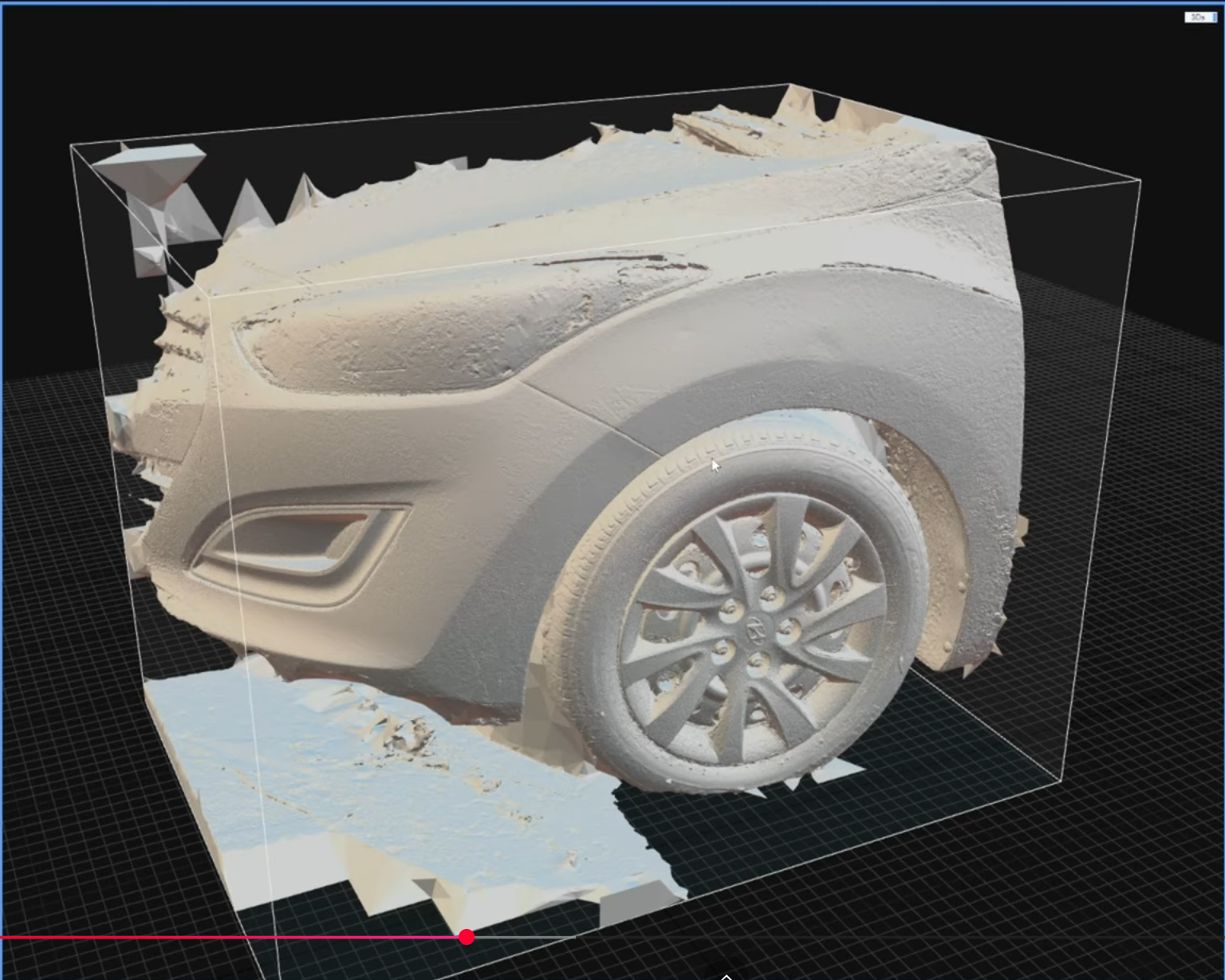
This project explores photogrammetry as a practical workflow for turning real-world objects into usable 3D models. The video covers scanning techniques, surface preparation, camera alignment, scale setup, mesh simplification, and export settings for moving a scan into a slicer or 3D workflow. The result was a repeatable process for capturing physical objects, cleaning up the data, and turning real-world forms into digital assets that can be measured, referenced, or printed.
Laser-cut product and fixture development
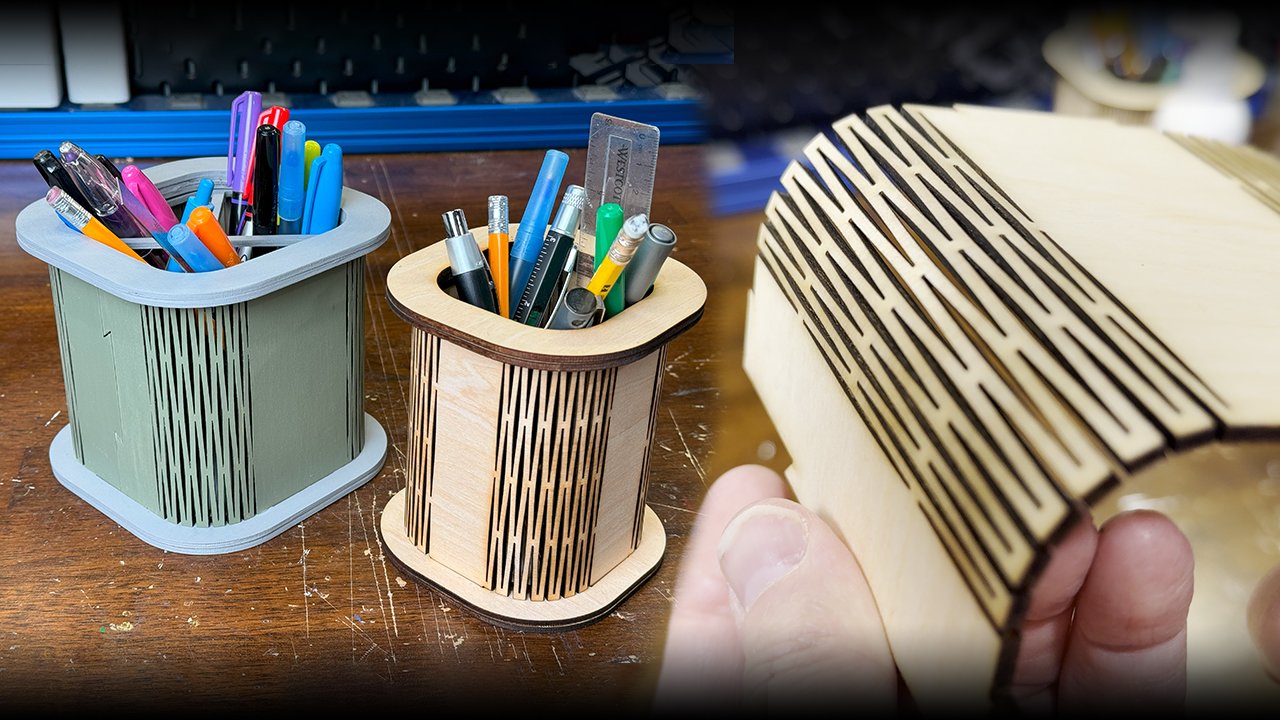
This project explores laser cutting as a product development workflow, using a curved-wall pencil holder as the test build. The process moved from CAD layout in Fusion 360 to flat pattern preparation in LightBurn, then through cutting, assembly, fit testing, and design refinement. The result was a practical example of how laser-cut products can move beyond simple square boxes by using flexible patterns, tabbed construction, and thoughtful material layout.
Product Explorations & Sponsored Builds
Hands-on product explorations focused on how fabrication tools perform in real projects. These builds use scanners, CNC machines, lasers, and other maker tools in practical tests to show what they make possible, where they fit, and how they hold up in a real workflow.
Reverse engineering with 3D scanning
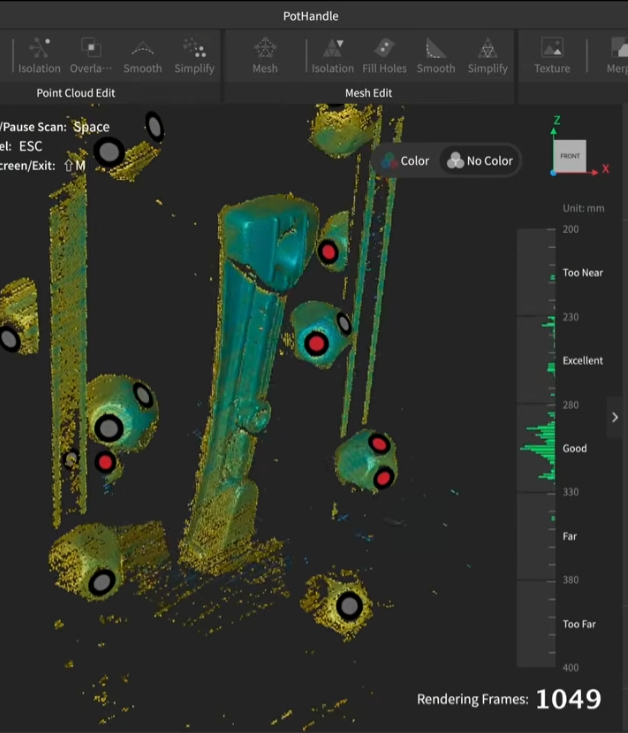
This project explores the Metro X scanner as a reverse-engineering tool for real-world part replacement. Instead of only testing scan quality, the build focused on capturing a broken pan handle, cleaning up the scan, printing a test fit, and producing a final replacement in nylon carbon fiber. The result was a practical look at how detailed 3D scanning can move beyond visual capture and become part of a functional repair and prototyping workflow.
Hybrid CNC and 3D printed fabrication
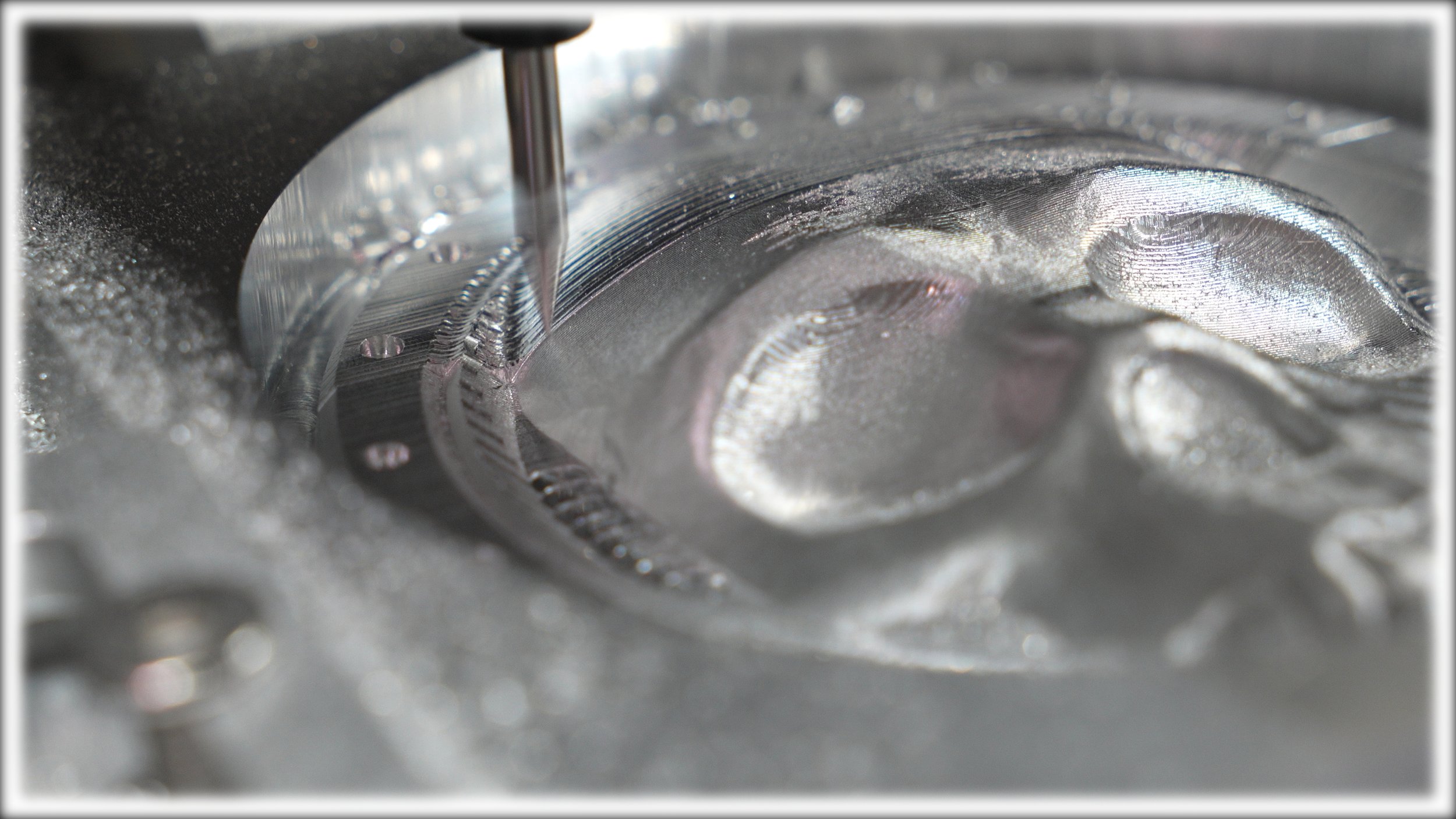
This project explores the Makera Carvera Air as a compact CNC platform for adding precision-machined parts into a 3D printing workflow. The build tested the machine through setup, probing, tool changes, aluminum milling, and a hybrid printed project with a machined metal medallion. The result was a practical example of how desktop CNC can expand a maker workflow beyond plastic parts and open the door to stronger, more refined multi-material builds.
Laser cutting and engraving in a real shop workflow
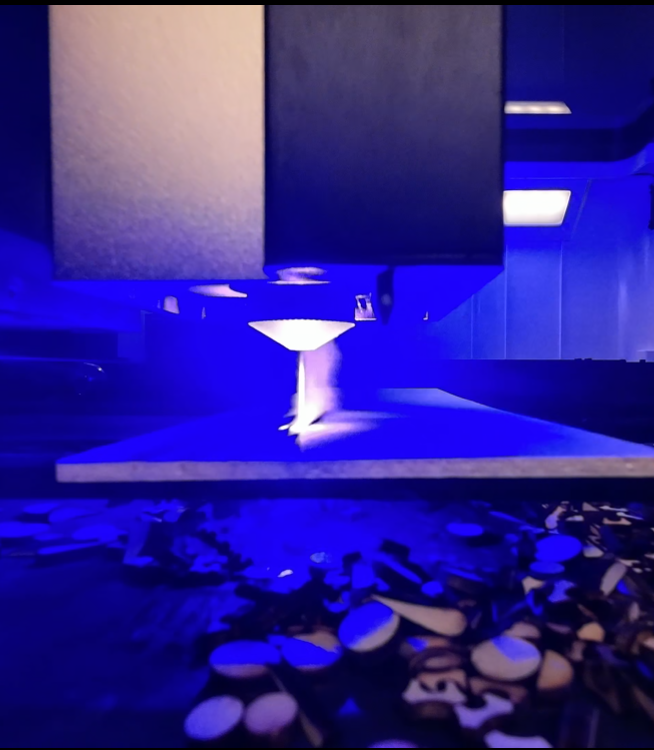
This project explores the Makera Carvera Air as a compact CNC platform for adding precision-machined parts into a 3D printing workflow. The build tested the machine through setup, probing, tool changes, aluminum milling, and a hybrid printed project with a machined metal medallion. The result was a practical example of how desktop CNC can expand a maker workflow beyond plastic parts and open the door to stronger, more refined multi-material builds.
Have a prototype, product, or technical workflow to explore?
DaveRig Design works with select companies, makers, and product teams on practical R&D, prototyping, fabrication workflows, sponsored builds, and hands-on product exploration.
If you’re trying to turn an idea into something physical, test a tool in a real workflow, solve a fabrication problem, or explain a technical product through a build, let’s start a conversation.